Sustainability is no longer a secondary consideration, in the commercial building industry, but rather an essential part of modern development. Australian businesses are beginning to recognise the long term benefits of eco friendly materials, energy efficiency, and future focused design strategies. As sustainability moves from fad to expectation, commercial builders in Washington are leading the shift to more intelligent, eco friendly construction solutions.
1. The Rise of Energy Efficient Building Materials
Energy efficient materials that save long term operational expenses, are becoming more and more popular among Australian businesses. Higher performance, with less of an impact on the environment, is provided by innovations like insulated panels, low emission glass, recycled steel and environmentally friendly cladding. By enhancing temperature management these materials lessen the need for installing additional heating and cooling equipment.
2. Green Roofing and Living Walls
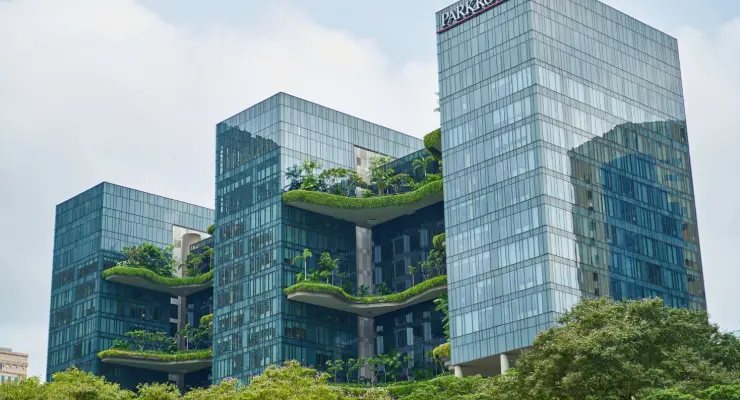
Vertical gardens and green roofing, are quickly gaining popularity in contemporary business buildings. In addition to being aesthetically pleasing, they offer insulation, aid in stormwater management and improve, the quality of the air surrounding constructed settings. In order to assist businesses save energy costs and increase their environmental footprint, many commercial builders in Washington, include these features in new construction.
3. Solar Integration in Commercial Spaces
In many Australian commercial buildings solar electricity is now necessary, rather than optional. Solar panels, present a chance for substantial energy savings as a result of the nation’s, considerable exposure to sunshine. In order to improve efficiency and lessen reliance on conventional power sources, businesses are now incorporating solar systems, into their designs.
4. Low Waste and Circular Construction Practices
Minimising waste during construction has become a major focus in the industry. Circular construction techniques which use recycled, reused or repurposed materials, are becoming more and more popular. This strategy encourages resource conservation and lessens the amount of waste, that ends up in landfills. Waste reduction techniques are already being incorporated into the routine building procedures of many commercial builders in Washington.
5. Smart Building Technology for Sustainable Operation
Digital monitoring systems and automation, are essential to sustainability. Smart lighting, water monitoring, automated HVAC systems and predictive maintenance tools, are examples of technology that helps organisations, cut back on wasteful energy use. Owners may make well informed decisions about energy management thanks to the real time insights these technologies offer.
6. Designing for the Future
Future focused design takes environmental effect, durability and flexibility into account. Spaces that are both practical and sustainable, are produced through adaptable floor layouts, modular construction, and natural lighting techniques. Buildings that can adapt to changing needs, are highly regarded by Australian businesses and commercial builders in Western Australia are leading the way in providing flexible, energy efficient solutions.
Wrapping Up
Australia’s economic landscape is still changing, as a result of sustainable construction. The sector is boldly heading towards a greener future with an increasing focus on energy efficiency, low waste practices, and smart technologies. Businesses that adopt these trends, not only lessen their impact on the environment but also get long term financial benefits.